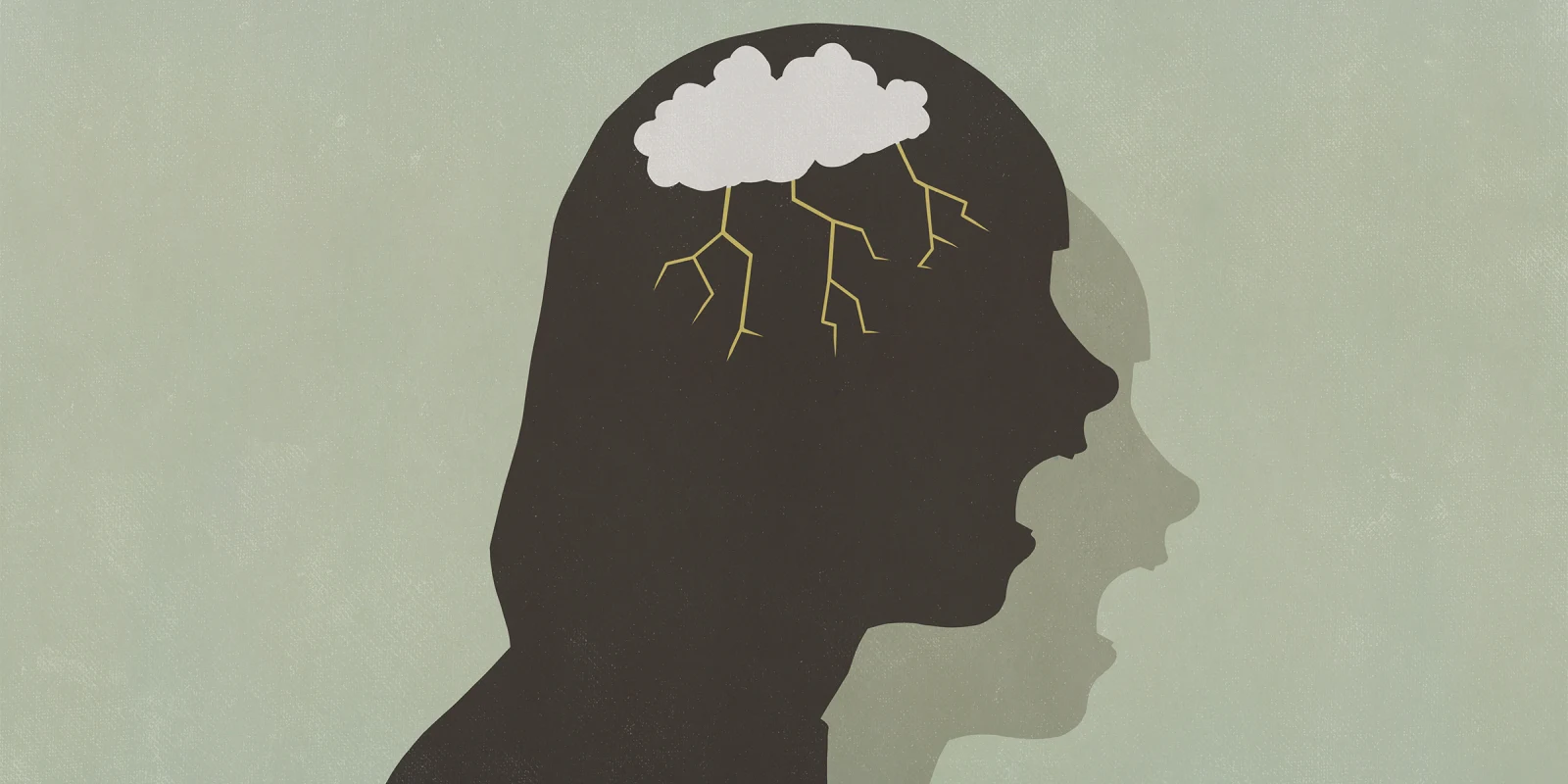

A 14-year-old with violent behaviors had been in the ER for the second time that month. Four weeks ago, they’d been discharged from the inpatient unit I worked on as a child and adolescent psychiatrist in a Minneapolis-based hospital.
The ER physician paged me with a clear ask: admit to your unit or discharge.
The patient’s family had a clear ask: keep our home safe.
The inpatient unit had a clear ask: guarantee our staff won’t get assaulted.
In 2025, the number of children who remained days or weeks in one of the main children’s ERs in Minneapolis was upward of 1,200. If we increased the number of psychiatric hospital beds and residential spots, this would not solve the underlying challenge for patients and their families. In a previous era, these individuals had prolonged therapeutic hospital stays. But in the era of managed care, where any psychiatric admission beyond a week is scrutinized, reimbursement rates are diminished, and hospitals are forced to cut staff and programs, it has become clear that the goal is short-term containment. This can be critical for a subset of individuals for whom hospitalization remains appropriate for acute safety and stabilization, but studies have not consistently demonstrated that longer lengths of stay alone improve outcomes in youth, nor do longer stays reduce readmissions.
However, when families are faced with long wait times for community resources to navigate the dangers that mental illness can present in their youth, the ED becomes the de facto safety net, setting up the family for a spiral that is difficult to climb out of.
The answer isn’t to reallocate funding for residential programs or more hospital beds. Unless the residential program includes a very heavy family component, which most don’t beyond one hour per week, it does not often reduce this danger once the individual is returned to the family context.
Minnesota, while not immune to these challenges, has responded to them in the past two decades by investing in a continuum of services for pediatric mental health by designing school-linked or co-located mental health services, mobile crisis response teams, acute stabilization programs, and rapid access services. We understand that access to any form of healthcare, especially mental healthcare, is equivalent to quality, and quality is equivalent to less utilization of costly resources that do not improve outcomes — ER boarding, hospitalization, and residential services.
Many children who need mental health treatment never access traditional outpatient clinics due to transportation, financial, or scheduling barriers. School-based mental health services reduce these barriers and provide early intervention. Take, for example, the senior in high school who’d been avoiding school due to panic attacks. I was able to partner with the school-linked mental health team, who supported my patient with a modified schedule, allowing regular touchpoints, empowering them to attend school daily and reinforce their coping strategies. The Minnesota Department of Human Services has supported grants and partnerships that expand these services, particularly in underserved rural and urban communities.
Another essential component is the use of mobile crisis teams. These are multidisciplinary teams, often including mental health professionals, social workers, or peer specialists who respond directly to individuals experiencing acute psychiatric crises in homes, schools, or community settings. Rather than relying exclusively on law enforcement or EDs, mobile crisis programs attempt to de-escalate situations safely in the least restrictive environment possible.
Even when it’s decided the ER is the safest step, an inpatient hospitalization can still be avoided. During my time as an inpatient doctor, the hospital partnered with a community-based service to pilot an immediate in-home stabilization program to address the pediatric boarding crisis. In this program, a trained mental health therapist would help facilitate a quicker discharge by extending the intensive treatment into the youth’s home over the course of several visits. This could range from helping the family navigate resources, connect with the youth’s school, provide psychoeducation, or have targeted check-ins utilizing solution-focused interventions.
Recently, our outpatient mental health department has adapted a rapid psychotherapy consultation service for adults into helping children and families. When a foster parent couldn’t get their highly anxious and aggressive 6-year-old with trauma into therapy, they were able to see the therapeutic consultant right away to discuss resources in the community, interventions to try at home, and connect them with me directly to discuss additional therapeutic modalities. This avoided utilization of the ER as a containment strategy. While this program has been funded by our organization’s foundation, it is proving to be sustainable on a reimbursement model that makes it adaptable for other states to emulate.
No system will fully meet the scale of pediatric mental health need, and Minnesota is not alone in building solutions for rural and underserved communities. Across the country, many states are using models that expand the reach of scarce child mental health specialists. One example is the Child Psychiatry Access Program (CPAP). In Minnesota, we have something similar called PAL (Psychiatric Assistance Line) through a for-profit organization but free for any clinician to use. Through the federal Pediatric Mental Healthcare Access program, states and regional partners can create consultation teams that include child and adolescent psychiatrists, care coordinators, and other behavioral health professionals. When a pediatric clinician has questions about a mental health need, they can contact the team for timely consultation, treatment guidance, referral support, and care coordination.
In addition, Project ECHO — Extension for Community Healthcare Outcomes — offers a complementary approach. In this hub-and-spoke learning model, specialists meet regularly by videoconference with community clinicians to discuss de-identified cases, share practical guidance, and build local expertise over time. Its guiding principle is to “move knowledge, not patients.” While these are usually grant funded and time limited, they offer rapid education and support.
Many, if not all, of these programs described are often launched with supplemental funding, which was the case with the acute stabilization program that was piloted during my tenure as an inpatient doctor. The 14-year-old boarding in the ER that I was consulting on was able to be discharged safely home with the help of this program. Because the program proved to be successful over the years, it has now expanded rapidly throughout the metro, and has been found to be sustainable through insurance reimbursement, only subsidized by hospitals for those who are uninsured.
In my perfect mental health world, I would not ask for funding to build more expensive brick and mortar infrastructure that separates children from their families — I would ask that we build and pay for an infrastructure that trains mental health experts to equip these very stressed and taxed families with the tools in real time, empowering them to build their own unique infrastructure.