
My first foray into blood donation was, admittedly, motivated primarily by selfish reasons: a local spa was offering a $50 gift certificate to anyone who attended their sponsored blood drive. With the promise of a discounted facial on the horizon, I pushed aside my trypanophobia and signed up for an appointment at my local American Red Cross.
My first experience with blood donation was, to my surprise, wholly positive, thanks to friendly phlebotomists, a comfortable recliner, and a perfectly curated playlist of early 2000s hits playing softly overhead. The entire visit took about 30 minutes, with the actual donation lasting only around 10. I walked out of my appointment with a juice box, a gift card, and, unexpectedly, a passion for blood donation that has persisted in the years since my first appointment.
It sounds cliche, but the feeling of fulfillment that comes from donating blood is truly unmatched. Knowing that a single donation may help save up to three lives instills a sense of gratification otherwise reserved for moments like successfully treating a patient or delivering life-altering news with hope attached. Because of my donation, I have helped someone make it to their next birthday, their next football game, or their next family vacation. Is the recipient a child, a cancer survivor, or even one of my own patients? Although I will never know, I’m proud that I have helped someone, somewhere, live a happy, healthy life.
Every two seconds, someone in the U.S. requires blood or platelets, but only about 3% of age-eligible people donate blood yearly. This results in a fragile system prone to mismatches in supply and demand, with critical shortages typically falling around major holidays as well as winter and summer months. Natural disasters, mass-casualty events, and seasonal illnesses can place further strain on an already limited blood supply. Blood has a finite shelf life and cannot be manufactured, meaning that the system relies entirely on people who are willing to show up.
Those of us who work in health care understand this reality in a way most people never will. We will be alerted when hemoglobin levels fall and platelet levels hover at dangerous thresholds, and we will place transfusion orders almost reflexively. We depend on the quiet reliability of blood products as much as we depend on the availability of antibiotics, IV fluids, and oxygen. When blood is available, it is simply a part of routine care. When it is not, the consequences are immediate and often fatal. Blood underpins nearly everything we do, even though we rarely stop to think about where it comes from.
As clinicians, we already give a great deal to our patients. We sacrifice years of our life to training, endure sleepless nights refreshing lab results, and place ourselves at risk by stepping directly into the path of infectious disease, emotional stress, and sometimes even physical violence. A pint of blood may seem like a small sacrifice by comparison (after all, the average human has about 10 pints). Still, for those that are unwilling or unable to donate blood, it is worth saying bluntly: You have already given more than enough to your patients. For those who can donate, however, blood donation is one of the rare acts in medicine that is both profoundly simple and immediately impactful. It involves no note writing, no inbox clearing, no battles with prior authorization, and no follow-up documentation. There are no orders to place and no quality metrics to meet (unless you count your hemoglobin and blood pressure). You show up, you donate, and you save a life.
In a profession increasingly weighed down by burnout, blood donation offers something refreshingly direct: an opportunity to help people in tangible, meaningful ways. Ten minutes in a donation chair can translate to days, weeks, or years added to someone else’s life. If you are able, I would encourage you to find a blood drive near you. Bring a friend, set a calendar reminder, and go out to lunch afterward. In a system that depends entirely on human generosity, few actions carry such a high return on such a small investment. Ten minutes is all it takes to save three lives.
Sophia Valerino is a fourth-year medical student at Lake Erie College of Osteopathic Medicine.
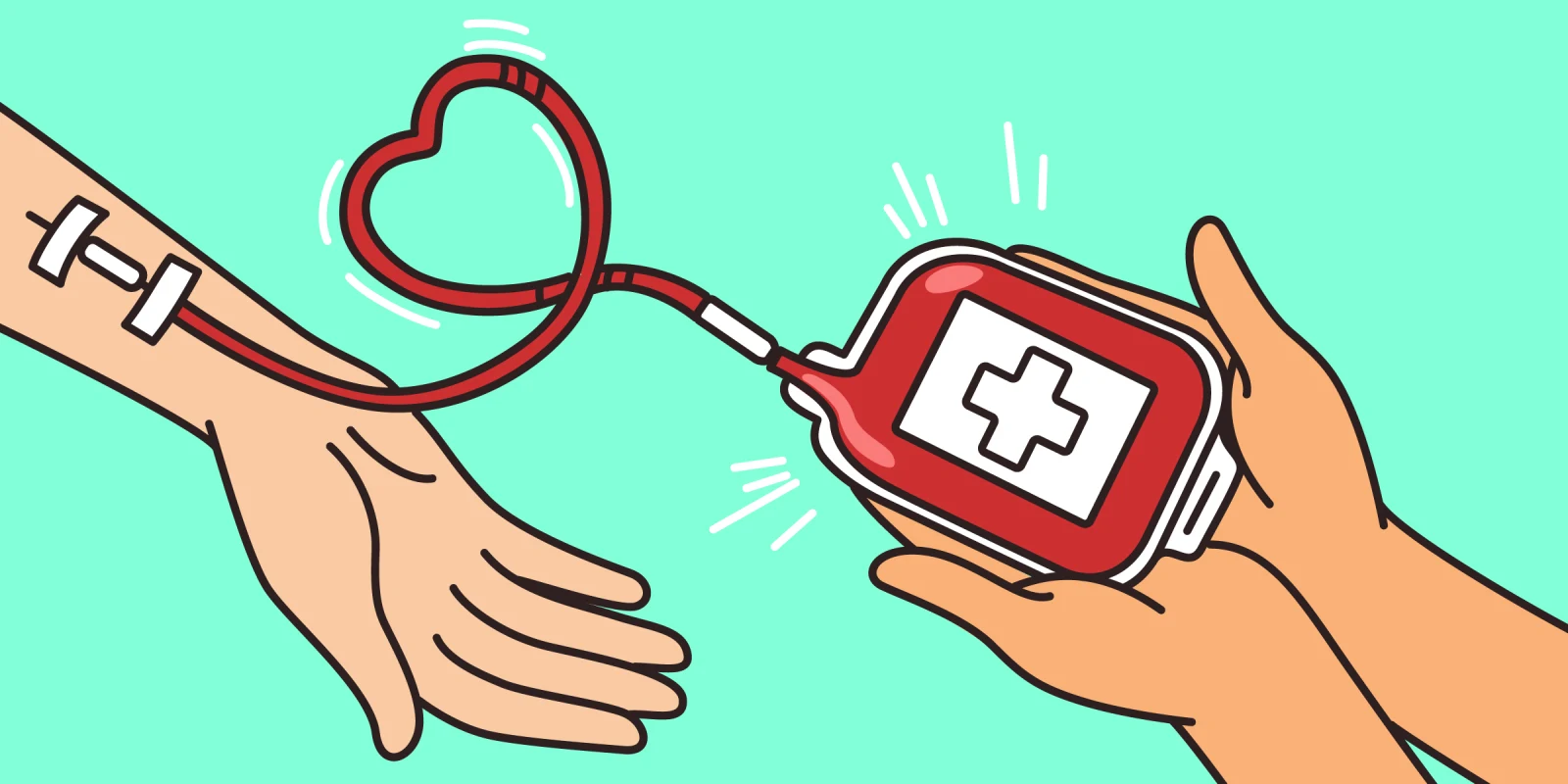
Image by Mikhail Seleznev / Getty Images