
When I visit my hometown and stay with my mom, I appreciate the house I grew up in and the fact that my mom is still there. Every time I visit the local church, I'm always happy to see the kids who have grown up and the adults I grew up with who have now grown old. The permanence of their staying in Galveston, Texas is both nostalgic and refreshing. I took my kids to the confectionery where I used to work summers during high school and introduced them to my favorite menu items (still the same). The place even smelled the same.
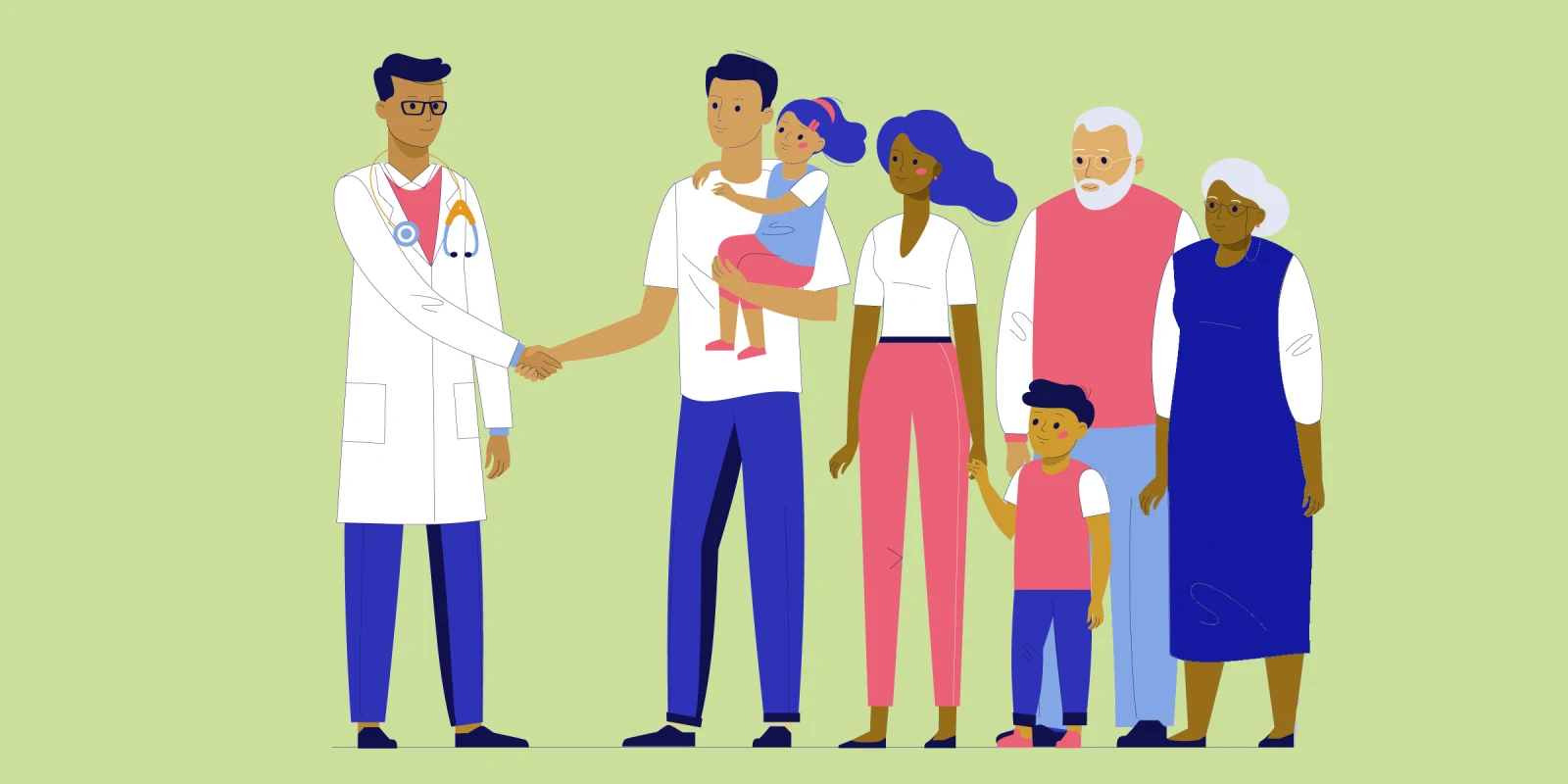
There was a time when physicians in small towns and suburbs stayed for decades. Their profile was in the yellow pages and never changed. Doctors were socially tied to the community. They were active in schools, churches, and civic organizations. Their work and life were woven into the town, and they were frequently seen at community events. Hospitals were less corporate, and independent physicians with hospital privileges would admit their own patients and round on them. Those physicians had autonomy without overwhelming administrative rules. Although the workload was heavy (often by choice in the fee-for-service environment), reimbursement for services was reasonable (if not generous) without EHRs, quality/productivity metrics, and bureaucracy. This led to patients enjoying long-term relationships with their doctors and continuity of care. Personally, I was fortunate to have a pediatrician who saw me grow up: from my getting chicken pox, to diagnosing my allergic rhinitis, and seeing me through puberty, up until I finished high school. On the other hand, my own children had at least three different pediatricians while growing up in Humboldt County, California due to turnover from the only independent pediatric practice in town having to close.
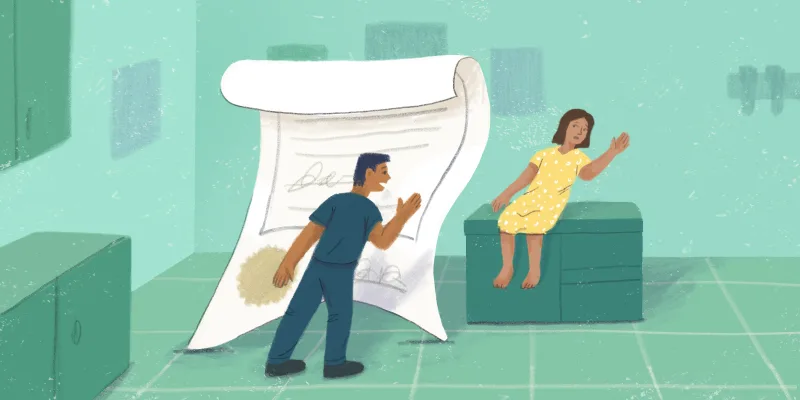
Something else happened when I noticed the increased physician turnover. Independent practices were closing or being consolidated into corporate healthcare systems. Because of the lack of ownership and investment, it is much easier to leave an employed position. If you owned your practice, leaving or closing your practice would involve a significant amount of work in notifying patients, disposing of your medical records, terminating a lease, moving or selling medical equipment, paying off any bills, and filing the correct paperwork with the county and state. With today's average medical school debt over $200,000, new graduates are incentivized to maximize income and minimize financial risk. If you come out of training having six-figure debt, not to mention any credit card debt, and want to take out a mortgage on a house, you probably have little appetite to take out a business loan to start or buy an independent practice. In the early 2000s, many older physicians were hoping for a golden parachute with younger physicians buying them out. When this didn't happen, because fewer graduates wanted to join, put in a few years of sweat equity, and buy into the practice, these physicians sold their practices to hospital systems.
Life brings with it changes, but not all change is good. Even insurance coverage policies are being revised and updated more frequently. Gone are the days when an insurance policy would stay the same for years. Now we see shifting formularies, changing network contracts, changes in services covered, and updated premiums (always an increase) multiple times a year. These changes resulted in patients losing their doctors when their doctors were no longer in network, further taking away from patient-physician longevity.
Besides a patient seeing someone who knows their history and building a relationship of trust, physician longevity has measurable clinical, operational, economic, and cultural benefits. Imagine someone with a complex medical history (breast cancer, reactive airway disease, heart failure, diabetes) seeing a different clinician every six months. There is no opportunity to build a relationship and something is bound to get missed. In fact, there is evidence that longitudinal continuity reduces mortality and morbidity, and lead to fewer hospitalizations, less redundant testing, and fewer over-referrals. Are you more likely to disclose sensitive but important information to a physician you know well, or to someone who you may never see again? A long-term physician is familiar with the local referral networks and resources, compared to a traveling locum tenens worker who knows nothing about the community. Longstanding physicians serve as community healthcare leaders, advising schools and local government officials, especially during disasters. But the most powerful benefit that is difficult to quantify is the generational care a long-term physician can provide, understanding genetic and social patterns in families across decades — impossible in a high turnover setting.
The environment in which we practice has changed dramatically, all of which has resulted in fragmented continuity of care for patients. This puts new responsibilities on specialists to manage patients who do not have a consistent PCP. These include medication refills, cancer screening reminders, medication reconciliation, coordinating referrals for specialists unrelated to what you see the patient for, addressing urgent portal messages for issues unrelated to your specialty (because you are the physician they know best), and discussing results of diagnostic tests that were ordered by a traveling physician who is no longer around to discuss the results.
So is the permanence of having the same doctors in a community over a lifetime a relic of a bygone era? Hopefully not. I have been in my independent group for nearly 19 years as my first and only job out of radiation oncology residency. My practice has weathered Meaningful Use, MIPS, COVID, and still deals with insurance denials and prior authorization hassles. I have grown roots in my community and run into people I know at my son's basketball games, at the movies, restaurants, festivals, or shopping. I have followed some of my patients for over 15 years and have often taken care of their immediate and extended family.
How can we bring back some semblance of permanence in our physician workforce? Here are some evidence-based interventions, particularly in employed settings.
1) Restore autonomy. Physicians leave when they have overwhelming responsibility but no authority. Give physicians control over their scheduling, panel size, visit length, and workflow. We can handle hard work. We don't tolerate taking blame when control is centralized and things go wrong.
2) Structure the employment contract for longevity. Offer longer contracts (5–7 years, not 2–3). Avoid aggressive RVU cliffs. Make income stable and predictable.
3) Reduce clerical burden. Each additional hour of administrative work increases the likelihood of departure. Provide documentation support either through scribes or AI. Have prior authorization teams. Truly protect administrative time.
4) Create patient care models for continuity. Maintain stable patient panels and avoid making new physicians constantly inherit orphan patients from retiring or departing physicians.
5) Anchor physicians socially. In this economy, physician housing assistance goes further than just recruitment bonuses. Help connect spouses to employment opportunities. If childcare is not available from the healthcare system, provide contacts who can provide childcare. Match new physicians with established physicians with similar hobbies.
6) Protect early-career physicians. Have formal mentorship programs and gradually ramp up their patient panel over the year as they learn the system. Provide protected CME time and funding for conferences.
And on the flip side, what can physicians do to stay in a community? There is a balance between defending yourself against exploitation and having the patience to deal with deficits in the system. Keep in mind, your authority and clout will increase the longer you stay and the more involved you get. Your county medical society will put you in touch with other physicians outside your employment network and will advocate for you as an individual physician. Your hospital medical staff governance is a platform to communicate with your administrators. Each community event you attend where you meet another person (outside of medicine) represents another reason to stay, as well as another community advocate for your longevity. Most hospitals have community advisory boards made up of civic leaders and businesspeople. These boards want physicians to stay. Long-term physicians are good for the health of a community, not just for the patients they see.
What keeps you rooted in your local community? Share in the comments.
Dr. Join Y. Luh is a radiation oncologist practicing in the Pacific Northwest town of Eureka, CA. He enjoys mountain biking, surfing (on a paddle board), playing in a cover band (StereotactiX), reading his daughter’s essays, and cheering his sons at basketball. Dr. Luh is a 2025-2026 Doximity Op-Med Fellow.
Image by bluebearry / Getty