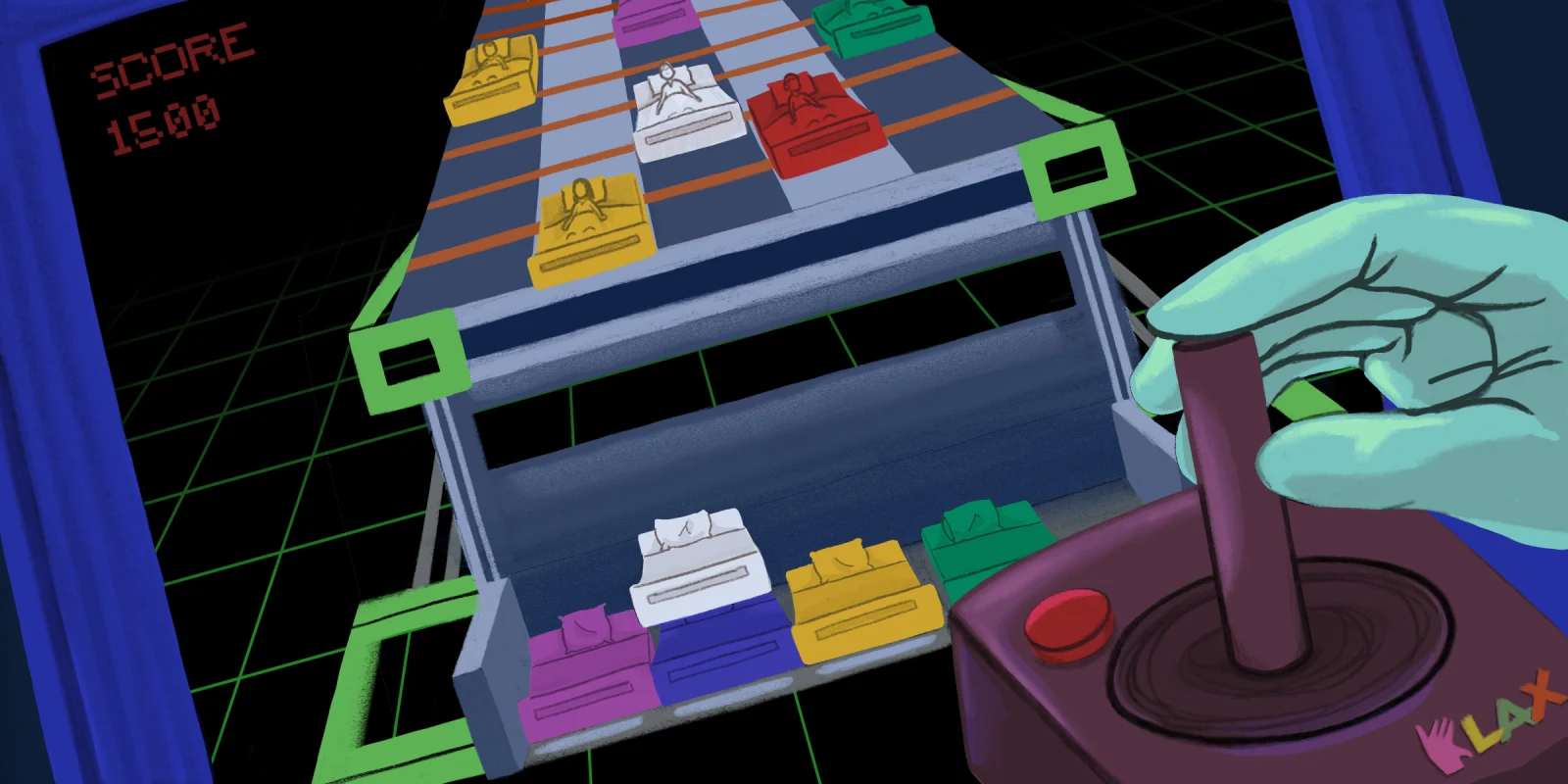

A patient with resolved cellulitis was ready to go home the afternoon before. The ride was arranged, the medications were ready, and the follow-up was set. Everything was in place. But the unit had been leaning hard on its discharge-before-noon numbers that month, so someone decided to keep him overnight. That way he could count as a morning discharge. He left the next day instead. One unnecessary night in the hospital, for no clinical reason.
This sort of decision has become common enough that it barely registers as strange anymore. Discharge before noon is one of those metrics that looks reasonable from a distance: it moves patients out earlier in the day, frees up beds for new admissions coming from the ED, and improves the overall flow of the hospital. It is easy to track and easy to celebrate. So hospitals chase it.
The trouble is what the chase does on the ground. When the number becomes the point, people start making choices that work against the stated goal. Patients who are ready in the late afternoon sometimes get held until the next morning simply so they can be counted in the right column. The length of stay gets longer, not shorter. The supposed fix for throughput ends up creating its own delays. I have seen this enough times to stop believing it is an accident.
Studies on the metric have never been as conclusive as the enthusiasm around it suggests. Some hospitals that poured real resources into the effort saw modest improvements. Many did not. In medical patients especially, the data sometimes show the opposite of what the metric promises. The pressure to hit an arbitrary clock time changes how teams think about readiness. The question stops being whether a patient is safe and supported to leave and starts being whether enough people can be moved out before noon to keep the dashboard happy. But that rewards the appearance of efficiency over the actual work of getting someone home well.
Community hospitals feel the distortion more sharply. We rarely have the extra layers of support that larger systems use to manufacture these numbers. No dedicated discharge lounges. Fewer case managers available at dawn. The real obstacles to timely discharge are the same ones we have always faced: waiting for a consultant’s note, slow pharmacy turnaround, or the simple fact that many safe discharges happen naturally, once the morning wave of admissions and rounds is finished. None of that shows up cleanly on a performance report.
The larger issue is how willingly we let easy-to-measure targets shape clinical behavior. Discharge before noon is only one example. We have grown accustomed to treating these numbers as neutral tools when they are anything but. They reward certain actions and discourage others. They change what gets attention and what gets ignored. Too often they pull us away from the slower, messier work that actually determines whether a patient leaves safely and stays home.
If we wanted throughput metrics that reflected reality instead of fighting it, we would track the time between documented readiness and actual departure. We would pay attention to whether patients understood their instructions and had what they needed at home. We would put resources into the things that genuinely slow discharges down, like earlier planning and better access to consultants on weekends, rather than simply demanding a higher percentage by a certain hour. Those changes are harder to display on a slide, but they are less likely to create the backward incentives we keep seeing.
Hospital medicine has embraced measurement, and that is not the problem. The problem is how little resistance we offer when the measurement starts steering the work in directions that do not serve patients or the people caring for them. We can do better than this.
What are other metrics that don't make sense in healthcare? Share in the comments.