
When I first heard how large language models like ChatGPT are built, something about it jarred me. It went like this in most people’s minds: Gather massive amounts of data, then build something to learn from it. That felt backward once someone pointed out what really happens.
Here is how it really works. Researchers design the neural network architecture first. They build a brain, so to speak, in code. At that point, it knows nothing. It is just structure without content. Then data come in. And as the data flow through that brain, the connections adjust. The network starts to learn patterns, language, and reasoning. That process mirrors how we humans learn.
We are born with brains, not facts. We have the capacity to learn language, to socialize, to solve problems. But as babies, we gradually stitch together our world from what we see, hear, touch, and feel. The brain comes before the life experience, and life fills it in. That is exactly how model training works.
Once I realized that, it changed how I think about both AI and human learning. We tend to assume that gathering information comes first. Later, we build systems or minds to process it. In fact, in both biology and in AI, structure comes first and the data shape how it develops.
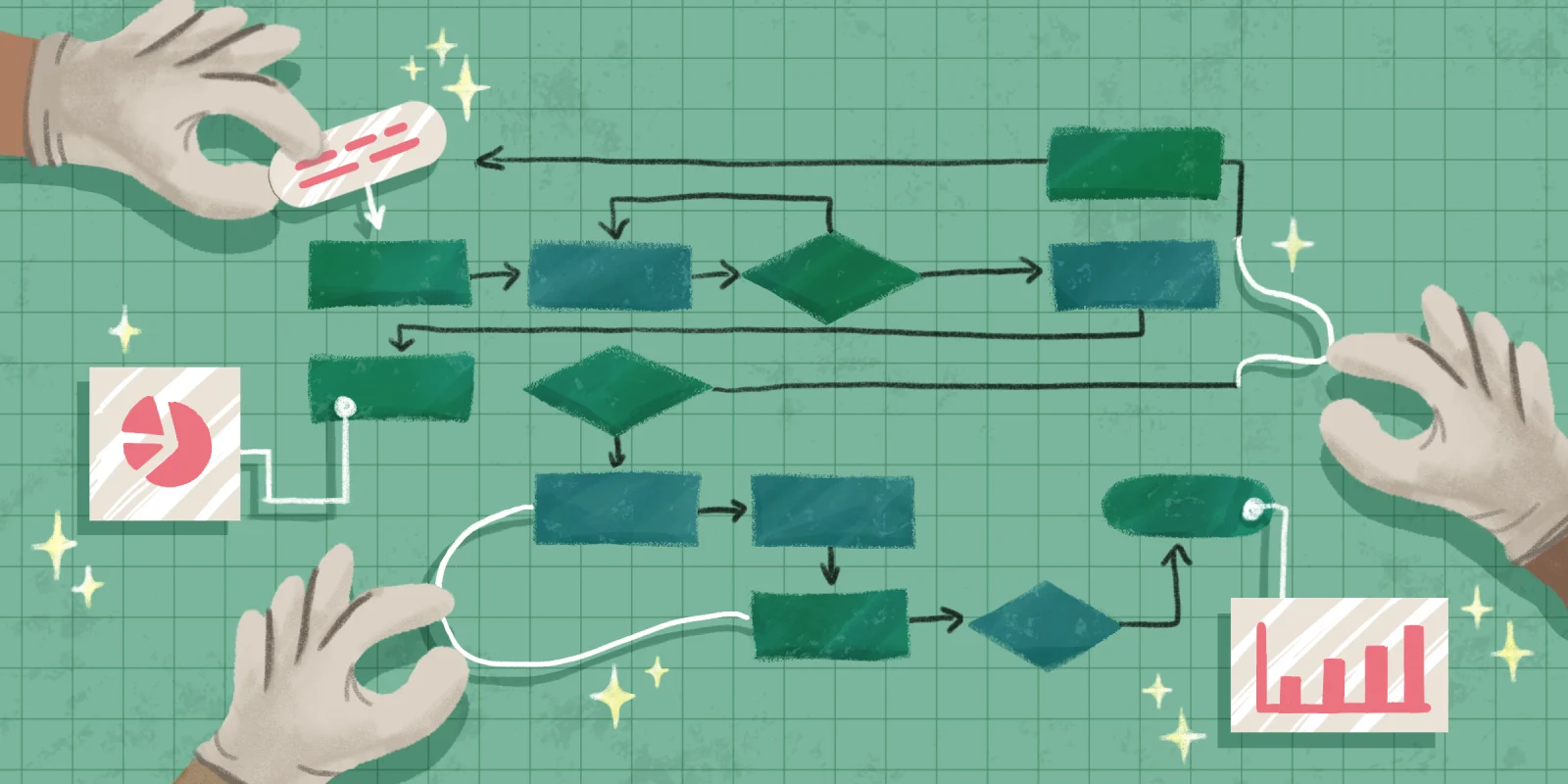
Here is a simple diagram in words. Most people picture AI as data first, then brain. But in reality, it is brain architecture first, then the training data, and then more training as the final step. Humans are the same. Babies are born with a brain. They learn from experience and they keep learning as they grow.
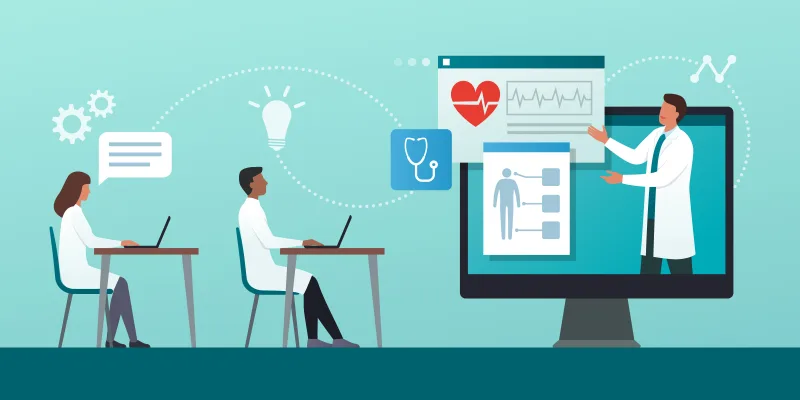
That realization matters for clinicians. We often think about medical education as loading people up with facts. And, of course, we want data, guidelines, protocols. But we do not always pay attention to the importance of giving learners the structure to absorb that information. To foster deep understanding, we must focus on building frameworks, mental models, capacity for critical thinking before layering on the knowledge.
And yet that is exactly what we are doing when we teach someone to think like a doctor. We give them clinical reasoning frameworks, ways to sort through symptoms, ways to structure thinking about disease. Then we feed them the details: labs, anatomy, pharmacology, latest guidelines. Over years, they internalize the structure and fill it with knowledge. Then with more data they become wiser clinicians.
There is a final piece that drove home the AI-human parallel for me. When a new version of the AI model is released, like when ChatGPT-5 came out, it is not because engineers built an entirely new brain. It is the same architecture, but it has been retrained on more data and often fine-tuned better. It is like the same doctor who went through residency and fellowship. The brain is the same, but the experience is richer. The model knows more, understands context better, responds more insightfully.
That is how learning works for us too when we continue our medical education. We are not building new brains each time. We are layering more experience, more cases, more contexts, more reflection into the same neural architecture. We stay the same person but gradually become wiser clinicians.
So when we design teaching, mentorship, and feedback, we can lean into that idea explicitly. Focus on building frameworks first, and then curate the data that fills them. Use case-based learning, structured reasoning pathways, and schema-based teaching. These give the learner a brain to hold the knowledge, not just memory.
At the end of the day, this matters because it changes how we approach clinical education. It gives us a reminder that context is just as important as content. That scaffolding allows knowledge to stick. That experience matters more than just data dumps.
And so here is what I want you to take away: Whether you are teaching medical students, residents, or guiding patients to make sense of health data, remember that you are helping their brain grow. You are not merely transferring information. You are giving them structure, then filling it in. You are helping them become stronger learners, thinkers, and caregivers.
Let us take that AI analogy to heart. We all start with a brain, in one form or another. It is the structure we build together that matters most. Then life and experience will fill it. And by teaching in that way, we help medical professionals grow not just smarter but wiser.
How do you build frameworks for the next generation of physicians? Share in the comments.
Dr. Shitel Patel is a renowned plastic surgeon at Lift Plastic Surgery and the visionary CEO of Ad Vital Software, a company revolutionizing the delivery of health care with technology. His passion for improving patient outcomes and streamlining health care processes is evident in his professional accomplishments, which can be explored further on his LinkedIn and Instagram profiles and podcast.
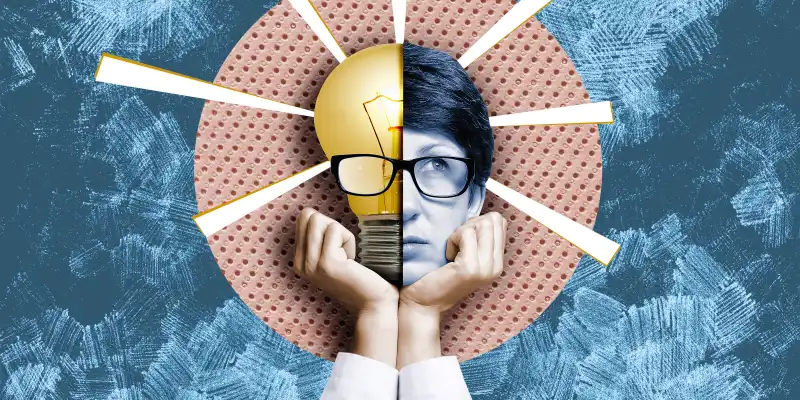
Illustration by Diana Connolly